
Back pain has a way of taking over attention.
It shows up when tying shoes.
When sitting too long.
When training hard.
When picking something up that used to feel light.
And once it starts lingering, it changes how movement feels.
People brace more.
Avoid certain positions.
Move cautiously.
But here’s the perspective shift that changes everything:
Back pain is rarely about a “weak” back.
It’s about sensitivity, load tolerance, and confidence.
The spine is strong. Exceptionally strong.
What it often needs isn’t protection — it needs preparation.
Let’s break this down clearly.
The Spine Is Built for Load

The spine is designed to:
- Bend
- Extend
- Rotate
- Absorb force
- Transfer load between the upper and lower body
It is supported by:
- Deep core stabilizers
- Larger trunk muscles
- Hip musculature
- Ligaments and connective tissue
Back pain doesn’t usually mean the spine is damaged beyond repair. In many cases, it means the load being applied exceeds current tolerance.
Tolerance is trainable.
Pain Does Not Equal Damage
This is critical.
Back pain often creates fear because the spine feels vital. When discomfort shows up, the mind jumps to worst-case scenarios.
But imaging studies consistently show that many people with no pain have disc bulges, degeneration, and structural changes. Meanwhile, others with intense discomfort may have minimal imaging findings.
Pain is an output from the nervous system.
It is influenced by:
- Load
- Stress
- Sleep
- Past injury
- Beliefs about movement
- Fatigue
When the nervous system becomes protective, it amplifies signals.
That doesn’t mean something is broken.
It means the system needs recalibration.
The Real Issue: Capacity vs. Demand
Back pain frequently appears when demand outpaces capacity.
Examples:
- Sitting all week → heavy weekend lifting
- Returning to the gym at previous loads
- Increasing training intensity too quickly
- Poor recovery between sessions
The spine can handle significant load — when prepared for it.
If capacity is low and demand spikes, sensitivity increases.
The solution isn’t avoidance.
It’s structured progression.
Stop Bracing Everything
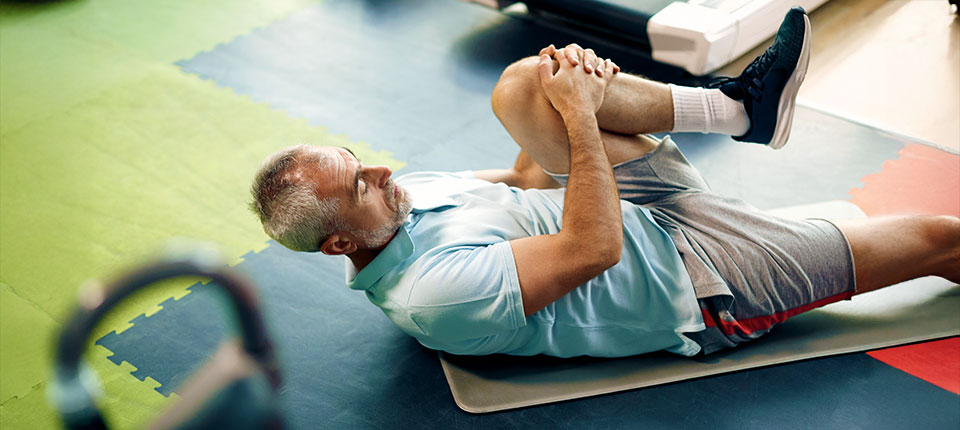
When back pain lingers, many people move stiffly.
They brace constantly.
Avoid flexion.
Avoid rotation.
Overprotection reduces movement variability — and variability is healthy.
The spine needs exposure to:
- Flexion
- Extension
- Rotation
- Controlled loading
Gradual reintroduction builds tolerance.
Instead of “protect at all costs,” think “progress exposure.”
Strength Is the Long-Term Solution

Back pain recovery is not about endless stretching.
It’s about building load tolerance.
Key movement patterns include:
- Hip hinges
- Deadlifts (scaled appropriately)
- Planks and anti-rotation work
- Bird dogs
- Split squats
The goal isn’t maximal strength.
It’s controlled exposure.
Start where symptoms are manageable.
Increase gradually.
Track volume.
Build week by week.
Strength builds resilience.
The Hip-Back Relationship
The hips and spine work together.
If hip mobility or strength is limited, the lower back often compensates.
Common contributors:
- Tight hip flexors from prolonged sitting
- Weak glutes
- Poor hip extension mechanics
Improving hip capacity often reduces spinal stress.
Train both.
Don’t isolate the spine as the villain.
Load Management Is Everything
Back pain often flares after sudden spikes:
- Long travel days
- Heavy yard work
- Extra training volume
- Poor sleep weeks
Load isn’t just physical — it’s cumulative.
When stress rises, recovery drops.
A simple rule:
Increase either intensity or volume — not both simultaneously.
Respect rest days.
Recovery drives adaptation.
Flare-Ups Aren’t Setbacks
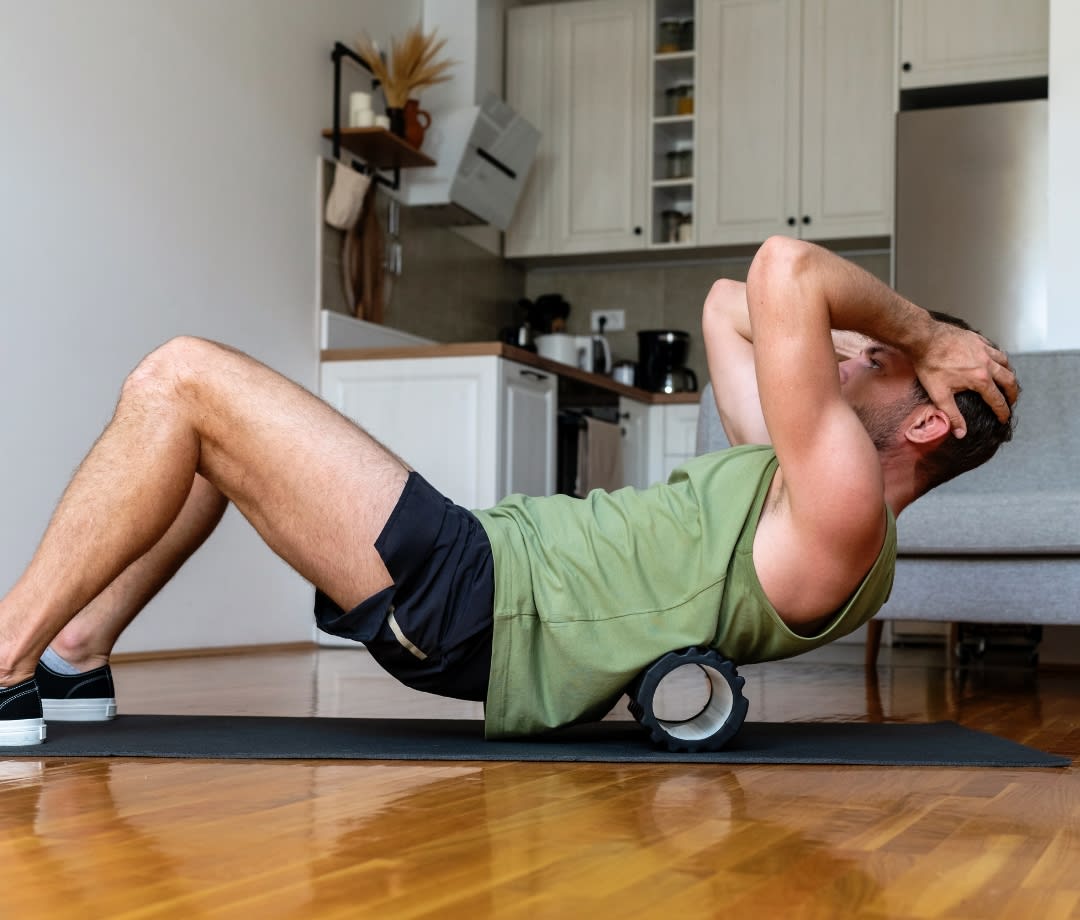
Back pain recovery is rarely linear.
There may be weeks of progress followed by a flare.
That doesn’t erase progress.
It signals overload.
During flare-ups:
- Reduce intensity temporarily
- Maintain gentle movement
- Avoid complete inactivity
- Resume progression gradually
Avoid catastrophizing.
The nervous system responds to calm consistency.
Core Stability Is About Control, Not Tension
Core training is often misunderstood.
It’s not about bracing 24/7.
It’s about coordination between:
- Diaphragm
- Deep abdominals
- Pelvic floor
- Multifidus
Breathing mechanics matter.
Proper breathing reduces unnecessary tension and improves load distribution.
Stability should feel controlled — not rigid.
Sitting Isn’t the Enemy
Sitting isn’t inherently harmful.
But prolonged static positions reduce circulation and create stiffness.
Instead of eliminating sitting:
- Change positions regularly
- Take short movement breaks
- Incorporate light mobility throughout the day
Movement variety protects the spine.
Stillness prolonged sensitizes it.
Rebuild Confidence

Back pain often creates fear.
Fear changes movement.
Movement changes loading.
Loading affects tolerance.
Breaking this cycle requires measurable wins.
Track:
- Increased lifting volume
- Longer walking duration
- Improved range of motion
- Reduced recovery time after workouts
Objective progress builds belief.
Belief restores confidence.
Confidence reduces sensitivity.
The Bigger Picture
Back pain isn’t a structural sentence.
It’s often a signal that capacity needs rebuilding.
The spine adapts.
Muscles strengthen.
Load tolerance improves.
With the right progression, most people return to lifting, training, and moving without constant fear.
The goal isn’t a “perfect” back.
It’s a prepared one.
A Practical Weekly Framework
Strength Training (2–3x per week)
Focus on hinge patterns, core control, and hip strength.
Mobility (Daily, 5–10 minutes)
Gentle spinal flexion, extension, and rotation drills.
Conditioning (2–4x per week)
Low-impact cardio to maintain circulation and endurance.
Recovery Emphasis
Sleep, hydration, stress management.
Consistency builds capacity.
Capacity reduces sensitivity.
Ready to Take Control?
If back pain has been limiting training, affecting confidence, or creating repeated setbacks, structured guidance can provide clarity.
A free Discovery Visit offers the opportunity to assess movement patterns, identify contributing factors, and build a progressive plan tailored to current capacity.
Book a free DV today to strengthen the spine, rebuild resilience, and move forward with confidence.