Many people over 50 live with neck pain, headaches, and neck stiffness that slowly chip away at daily comfort. These symptoms are often linked, and gentle, consistent changes in posture, movement, and sleep setup can make a meaningful difference. Physiotherapy can help you understand what is happening, calm irritated tissues, and build a plan so you can move more comfortably and live actively.
Neck pain, headaches, and neck stiffness often show up together, especially after 50. Small, steady changes in how you sit, move, and sleep can ease strain on your neck and reduce flare-ups. Physiotherapy can help you understand your body, build confidence in movement, and create a safe, realistic plan to support lifelong mobility.
A familiar story: “It started as a stiff neck…”
You wake up one morning with a tight, sore neck. By lunchtime, the ache has crept up the back of your head. By evening, you have a dull headache that makes reading, driving, or watching TV uncomfortable.
Many people in their 50s, 60s, and beyond describe this same pattern – neck stiffness that slowly turns into a headache. You might notice it more after a long drive to see family in Salisbury or Portsmouth, or after an afternoon at the computer. Over time, it can start to feel like “just part of getting older.”
But while age and daily habits do affect the neck, ongoing pain and headaches are not something you simply have to accept. Understanding what might be happening is the first step.
How neck pain and headaches are linked
Neck pain, headaches, and neck stiffness often come from the same overloaded structures. Muscles, joints, and nerves in the neck and upper back work together to hold up and move your head. When they are irritated, they can send pain into the head, face, or behind the eyes.
Common patterns include:
- Neck stiffness after sitting, driving, or looking down at a phone or book
- A tight band of pain from the base of the skull up and over the head
- Headaches that feel worse when turning the head or holding one position
These are sometimes called “cervicogenic” (neck-related) headaches. They can be uncomfortable, but they are often very responsive to calm, consistent movement and good habits.
Why this often appears after 50
After 50, it is common for the joints and discs in the neck to show signs of normal age-related change. This is sometimes called “degenerative” or “wear and tear” change, but that language can sound more alarming than it needs to be.
A few things tend to add up:
- Less daily movement – more time sitting, driving, or on screens
- Muscles that tire more quickly from holding your head in one position
- Stiffer joints that do not enjoy sudden, big movements after staying still
On their own, these changes do not mean your neck is damaged or fragile. They simply mean your neck may need more thoughtful support, more targeted movement, and a bit more warm-up than it did in your 20s.
What you can safely start doing today
Small, steady habits make meaningful change. Here are some gentle, generally safe ideas many adults over 50 find helpful. If anything you try makes your pain sharply worse, stop and seek professional guidance.
1. Gentle neck “reset” breaks
Long periods in one position often trigger neck pain and headaches. Building in short movement breaks can interrupt that pattern.
Try this every 45-60 minutes during the day:
- Sit tall with your feet supported
- Slowly turn your head to look over one shoulder, then the other
- Nod “yes” and “no” in a small, comfortable range
- Gently roll your shoulders backward 5-10 times
The goal is comfort, not stretching to the limit. Gentle, frequent motion helps nourish joints and calm tight muscles.
2. Check your sitting posture, not for perfection but for variety
There is no single “perfect” posture. However, some positions ask more of your neck than others.
Notice if you often:
- Lean your head forward toward the screen
- Look down at a laptop or phone placed low on the table
- Sit without back support, so your neck does extra work
Small adjustments can reduce strain:
- Raise screens closer to eye level
- Use the backrest of your chair and support your lower back
- Keep your feet flat or on a small footrest
Think: “move often” rather than “sit perfectly.” Changing position regularly is often more helpful than holding one “correct” posture all day.
3. Helping your neck at night
Many people notice neck pain and headaches first thing in the morning. Sleep position can play a role.
You may find more comfort by:
- Sleeping on your back or side, rather than on your stomach
- Choosing a pillow height that keeps your neck roughly in line with your spine
- Avoiding stacking multiple pillows under your head
If you wake often with neck stiffness, it may help to roll your shoulders and gently turn your head side to side before getting out of bed. This eases your neck into movement rather than asking it to do a sudden twist.
4. When physiotherapy can help
Sometimes, despite your best efforts, neck pain and headaches keep returning. This is where physiotherapy can offer helpful support.
At Active Motion Injury Clinic, our physiotherapists focus on:
- Listening to your story – when your symptoms started, what makes them better or worse
- Assessing movement in your neck, shoulders, and upper back
- Explaining what is likely going on in clear, reassuring language
- Designing a gentle, realistic plan that fits your life and current fitness
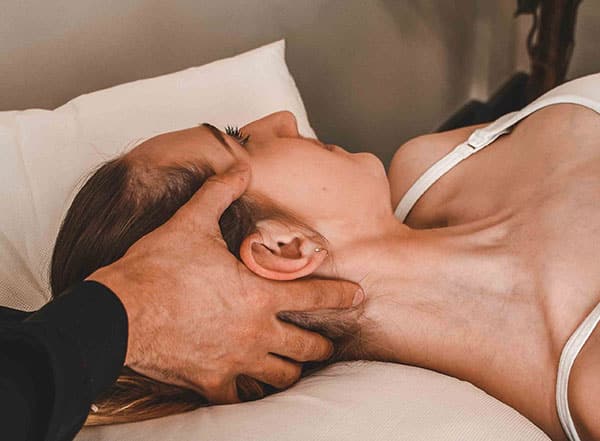
Hands-on techniques, targeted exercises, and education can help reduce pain, improve motion, and build your confidence. If you are in or around Salisbury, Eastleigh, Southampton, or Portsmouth, our physiotherapy team can help you explore your options.
If you would like to talk through your neck pain and headaches with a professional, you can request a free consultation with Active Motion Injury Clinic to see if physiotherapy might be appropriate for you.
When to seek urgent medical attention
While most neck-related headaches are not dangerous, some symptoms need prompt medical review. Contact a healthcare professional or emergency services immediately if you notice:
- Sudden, severe headache unlike anything you have had before
- Neck pain after a fall, accident, or trauma
- Fever, confusion, or feeling very unwell together with neck stiffness
- Weakness, numbness, or difficulty speaking or seeing
Physiotherapists work alongside your wider healthcare team. If something about your symptoms does not fit a typical musculoskeletal pattern, a responsible clinician will guide you toward appropriate medical assessment.
Moving forward with confidence
Neck pain, headaches, and neck stiffness can be frustrating, especially when they seem to appear “out of nowhere” after 50. The good news is that many people improve with calm, consistent changes in movement, posture, and daily habits.
With expert guidance, you can learn which movements are safe, which habits to adjust, and how to support your neck for the long term.
If you are curious whether physiotherapy could help you move more comfortably and live more actively, you are welcome to request a free consultation and ask your questions.
Small, steady habits make meaningful change – and understanding your body is the first step.
This article is for general information only and is not a substitute for personal medical advice, diagnosis, or treatment. Always speak with a qualified healthcare professional about your specific situation.
Book your Free DV or call 07368286175 to start a conversation.