Living Well With Diabetic Neuropathy: Everyday Habits That May Help You Stay Active and Independent

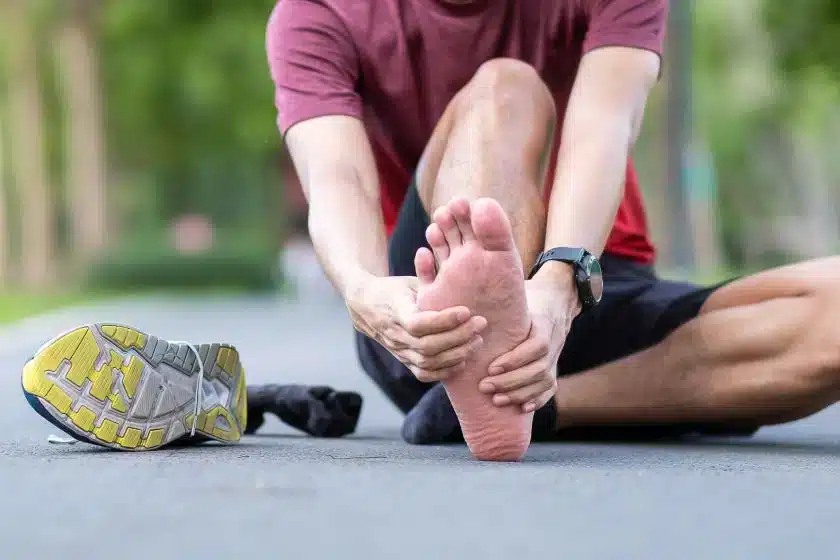
For many people, receiving a diagnosis of diabetes brings changes to daily routines, from monitoring blood sugar levels to making healthier lifestyle choices. However, one complication that often catches people by surprise is diabetic neuropathy. At Action Motion Injury Clinic, we understand that living with diabetic neuropathy is about much more than managing symptoms. It is about helping people stay active, maintain their independence, and continue doing the things that make life enjoyable. The good news is that small, consistent habits may play an important role in supporting long term wellbeing.

Diabetic Neuropathy: Understanding the Early Signs and Why They Shouldn’t Be Ignored

For many people living with diabetes, managing blood sugar levels becomes part of everyday life. However, one of the less talked about complications is diabetic neuropathy, a condition that can gradually affect the nerves and have a significant impact on mobility, balance, and overall quality of life. At Action Motion Injury Clinic, we often meet people who tell us they noticed something was different months or even years before seeking advice. Perhaps they experienced tingling in their feet, a strange numbness, or a sensation that felt like pins and needles. Many assumed it was simply part of getting older or something that would eventually disappear on its own. The reality is that recognising the early signs of diabetic neuropathy and understanding how it may affect your body can help you make informed decisions about your long term health and wellbeing.

How Stress, Sleep, and Pain Are All Connected

At Active Motion Injury Clinic, we regularly speak with people who feel stuck between two options. Move and risk aggravating the pain, or rest and hope it settles. This blog will break down why walking sometimes helps, why it sometimes worsens symptoms, and what most people are getting wrong when it comes to managing back pain and sciatica.

Rest vs Rehab: What Your Body Actually Needs to Heal.

At Active Motion Injury Clinic, we regularly speak with people who feel stuck between two options. Move and risk aggravating the pain, or rest and hope it settles. This blog will break down why walking sometimes helps, why it sometimes worsens symptoms, and what most people are getting wrong when it comes to managing back pain and sciatica.

Shoulder Pain in Active People: Causes, Tips, and 5 Key Exercises

At Active Motion Injury Clinic, we regularly speak with people who feel stuck between two options. Move and risk aggravating the pain, or rest and hope it settles. This blog will break down why walking sometimes helps, why it sometimes worsens symptoms, and what most people are getting wrong when it comes to managing back pain and sciatica.

Plantar fasciitis: Why exercise alone won’t fix your heel pain

At Active Motion Injury Clinic, we regularly speak with people who feel stuck between two options. Move and risk aggravating the pain, or rest and hope it settles. This blog will break down why walking sometimes helps, why it sometimes worsens symptoms, and what most people are getting wrong when it comes to managing back pain and sciatica.

Can Walking Help or Worsen Sciatica? What Most People Get Wrong

At Active Motion Injury Clinic, we regularly speak with people who feel stuck between two options. Move and risk aggravating the pain, or rest and hope it settles. This blog will break down why walking sometimes helps, why it sometimes worsens symptoms, and what most people are getting wrong when it comes to managing back pain and sciatica.